How to Make a Hard Detroit Type Beat That Actually Hits in 2026
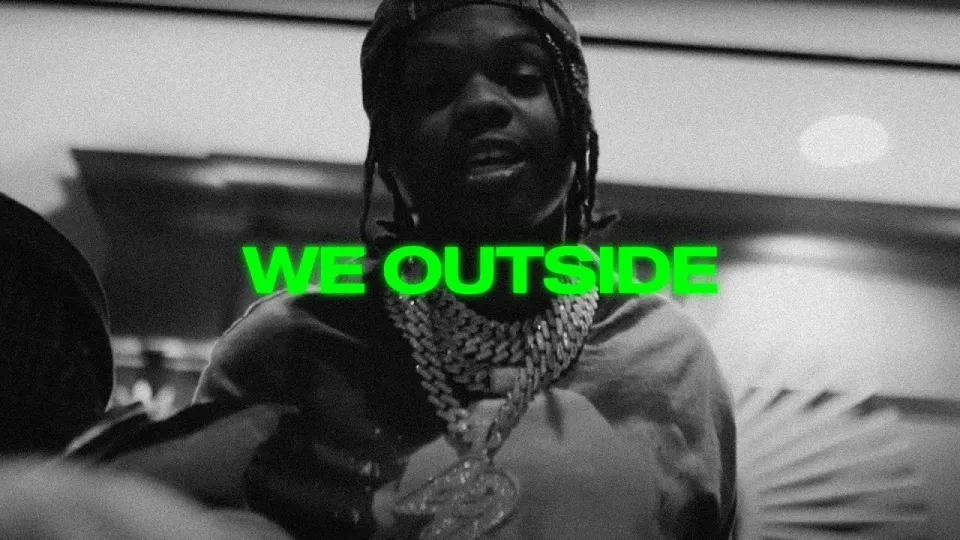
Video: (FREE) HARD DETROIT TYPE BEAT 2024 - "WE OUTSIDE"
Want articles like this for your own video to promote it on YouTube and Google? Order them through the Telegram bot @sat_sit_bot. It writes articles around your video, embeds the video and publishes them on popular niche websites (no ads). Free trial — 50 articles.
· based on the channel davegotbeats
Making a hard Detroit type beat means building a dark, high-energy instrumental with aggressive 808s, crisp hi-hats, and menacing melodies—usually at 140–150 BPM—so that it feels like it belongs in a Detroit street cipher or a late-night drive. The core formula is simple: start with a minor-key piano or synth loop, layer in sliding 808 bass, program punchy kicks and fast hats, then arrange the beat so it hits hard from the first bar. A free example you can study right now is davegotbeats' "WE OUTSIDE" — you can purchase or license it here and hear exactly how the elements come together.
What Defines a Hard Detroit Type Beat
A hard Detroit type beat is a subgenre of trap that borrows from Detroit rap's raw, confrontational energy while keeping the production clean enough for modern streaming. The tempo typically lands between 140 and 150 BPM, though some producers push it to 155 for a more frantic feel. The mood is dark, aggressive, and often cinematic—think minor chords, eerie bells, or distorted synth leads over booming 808s.
Key characteristics include:
- 808 bass with heavy glide: The 808 slides between notes, creating that signature Detroit bounce.
- Fast hi-hat rolls: Triplet and 32nd-note patterns add urgency.
- Hard-hitting kicks: Kicks are often layered with the 808 for extra punch.
- Minor-key melodies: Piano, strings, or synth lines in natural minor or harmonic minor.
- Sparse arrangement: Space between elements lets the vocals breathe.
Producers like davegotbeats specialize in this sound. The beat "WE OUTSIDE" is a textbook example: it opens with a dark melodic loop, drops into a hard 808 pattern, and keeps the energy consistent throughout.
Step-by-Step Guide to Making a Hard Detroit Type Beat
Follow these steps to build a beat from scratch. You can use any DAW—FL Studio, Ableton Live, Logic Pro, or even GarageBand.
- Set your tempo and key. Start at 145 BPM and choose a minor key like A minor, D minor, or F minor. Detroit beats often sit in these keys because they sound dark without being muddy.
- Create the main melody. Use a piano, electric piano, or synth preset. Write a simple 2–4 bar loop with a memorable motif. Add reverb and slight distortion for grit. In "WE OUTSIDE," the melody is repetitive but hypnotic—perfect for freestyling.
- Program the drums. Place a hard kick on beat 1 and syncopated kicks on the "and" of 2 and beat 4. Add snare or clap on beats 2 and 4. Use hi-hats with 16th-note patterns and occasional 32nd-note rolls. Keep the drum pattern simple but punchy.
- Design the 808. Choose a clean 808 sample, tune it to your key, and draw long notes that slide between pitches. Use portamento or glide settings. The 808 should hit at the same time as the kick for maximum impact.
- Add texture and atmosphere. Layer in vinyl noise, reverse cymbals, or ambient pads. These subtle elements make the beat feel professional and fill out the frequency spectrum.
- Arrange the beat. Structure it as intro – verse – hook – verse – hook – outro. Drop elements in and out to create tension. For example, remove the 808 for the first two bars of the verse, then bring it back for impact.
- Mix and master. Balance the levels so the 808 doesn't overpower the melody. Use EQ to cut low frequencies from melodic elements, sidechain the 808 to the kick if needed, and add a limiter on the master to keep levels competitive.
Common Questions from Artists Using Detroit Beats
Artists who download free Detroit type beats often have the same concerns. Based on comments on davegotbeats' "WE OUTSIDE," here are the most common questions and practical answers.
Can I use a free beat for a song I want to release?
Free beats are usually for non-profit use only. If you plan to upload to Spotify, Apple Music, or monetize on YouTube, you need a license. The description of "WE OUTSIDE" states clearly: "LICENSE REQUIRED FOR STREAMING." You can purchase a license at https://bsta.rs/XPubtt.
How do I know if a beat fits my style?
Download it, import it into your DAW, and freestyle over it for 10 minutes. If you naturally find a flow and the beat inspires a hook, it's a good fit. Many artists in the comments mention writing full songs immediately after hearing the beat.
What if I want to make my own beat instead of using a free one?
Use the steps above. Start with a simple melody, build the drums, and focus on the 808 glide. Practice by recreating beats you like—this is how most producers learn.
How do I get my beat to sound as loud and clear as professional tracks?
Mixing is key. Keep your kick and 808 as the loudest elements, cut unnecessary low frequencies from melodies, and use a reference track to compare levels. If you're using a free beat, the mixing is already done for you, so you can focus on vocals.
How to Choose the Right Free Detroit Beat
Not all free beats are created equal. A good hard Detroit type beat should have a clear melody, a strong 808 pattern, and enough space for vocals. Listen for these qualities:
- Clean mix: No distortion or clipping.
- Consistent energy: The beat should maintain intensity without becoming repetitive.
- Proper structure: Intro, verse, hook, and outro sections are clearly defined.
- High-quality audio: Download in WAV or high-bitrate MP3.
davegotbeats offers over 15 free beats on davegotbeats.net, including "WE OUTSIDE." The beat is tagged, but you can purchase an untagged version and a license at https://bsta.rs/XPubtt. The channel also runs a "BUY 2 GET 2 FREE" offer, which is useful if you need multiple beats for an EP or mixtape.
Tips for Rapping Over a Hard Detroit Type Beat
Detroit rap flows are often aggressive, rhythmic, and slightly off-beat. To ride a hard Detroit beat effectively:
- Use syncopation: Don't land every syllable on the beat. Offset your phrasing to create tension.
- Vary your delivery: Switch between fast triplets and slower, punchy lines.
- Match the energy: The beat is hard, so your vocals should be assertive and confident.
- Record with a quality mic: Even a budget condenser mic can sound professional with proper gain staging and a pop filter.
Many artists in the comments of "WE OUTSIDE" mention recording their own versions—some even titled their songs "Roll Up" or referenced "war ready." This shows the beat's versatility: it works for street anthems, introspective tracks, and everything in between.
Final Thoughts and Where to Get the Beat
Making a hard Detroit type beat requires a dark melody, aggressive 808s, and a punchy drum pattern—all locked into a 140–150 BPM pocket. Whether you produce your own or use a free beat, the goal is to create a track that hits hard and leaves room for a strong vocal performance. davegotbeats' "WE OUTSIDE" is a solid reference: it demonstrates the genre's core elements and is available for practice or licensing. If you're ready to release music, purchase a license and download the untagged version at https://bsta.rs/XPubtt. For more free beats, visit davegotbeats.net or contact davegotbeats1@gmail.com with any questions. Keep creating, and don't forget to credit the producer when required.
Key takeaways
- Detroit type beats usually sit between 140–150 BPM, often around 145 BPM.
- The signature sound combines aggressive 808 slides, dark minor-key melodies, and punchy drums.
- Free beats like davegotbeats' "WE OUTSIDE" can be used for practice or non-profit releases, but streaming requires a license.
- Purchase or license the beat at https://bsta.rs/XPubtt — the channel offers a buy 2 get 2 free deal.
- Artists often test a beat by freestyling or writing a full song before committing to a license.
Questions & answers
Can I use the free version of "WE OUTSIDE" for a song on Spotify?
No. The free download is for non-profit use only. Streaming on Spotify, Apple Music, or any monetized platform requires a paid license. You can purchase the appropriate license at https://bsta.rs/XPubtt. The beat description explicitly states that a license is required for streaming.
What BPM is typical for a hard Detroit type beat?
Most hard Detroit type beats sit between 140 and 150 BPM, with 145 BPM being a common sweet spot. Some producers push to 155 BPM for a more frantic feel. The tempo allows for both rapid hi-hat rolls and slower, punchy 808 patterns.
How do I make my vocals sit well over a Detroit type beat?
Record with a quality microphone, use a pop filter, and apply light compression and EQ to your vocal. Cut low frequencies below 100 Hz to avoid clashing with the 808, and add a touch of reverb or delay for depth. Mix your vocal so it sits slightly above the beat without overpowering it.
Is it worth buying a license if I'm just starting out?
If you plan to upload your song to streaming platforms or monetize it on YouTube, yes. A license protects you legally and allows you to earn revenue. Many producers offer affordable leases, and davegotbeats currently has a buy 2 get 2 free deal at https://bsta.rs/XPubtt, which is a good option if you need multiple beats.
Source: (FREE) HARD DETROIT TYPE BEAT 2024 - "WE OUTSIDE" · Markdown version